SZ-Steel®
The brand promise of SZ-Steel is a performance standard that enables high strength solutions at sub-zero temperatures. High strength with high impact toughness.
Advantages of SZ-Steel®
- Enables the application of high strength solutions at sub-zero temperatures
- Enables design that creates safety for workers, service crews and the environment
- Retains key material properties and offers reduced risk of embrittlement and fracturing
- Meets key global safety standards
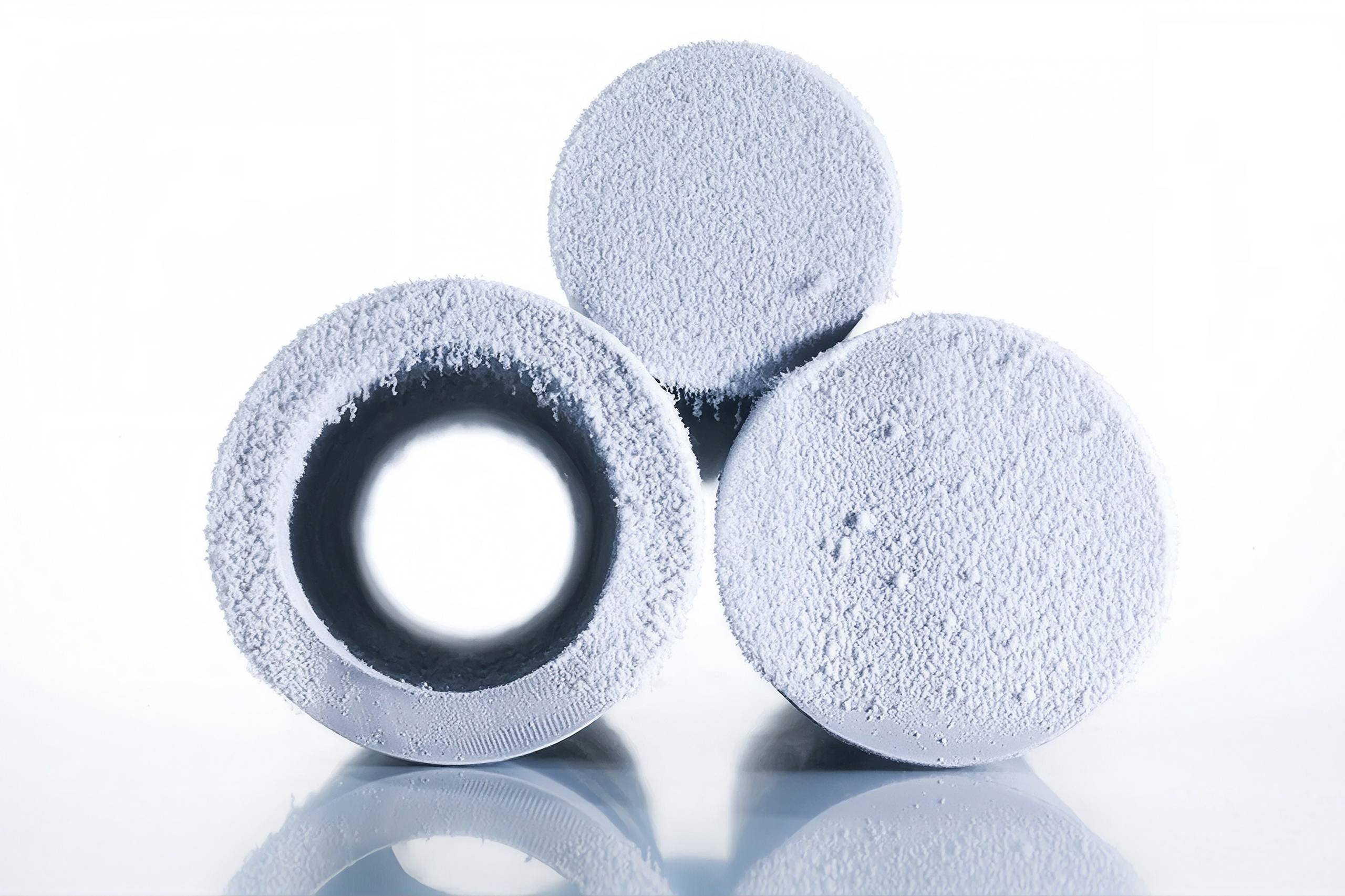
SZ-Steel®, which refers to sub-zero temperatures, is a family of steel that has proven to retain properties for safer and more reliable performances in temperatures down to –40°C and below. The impact toughness of the steel is a key factor in creating reliable solutions in cold climates, especially in applications where a high-strength steel would be the best design solution.
-100°C
steels that retains its material properties in temperatures down to, and beyond
SZ-Steel combined with IQ-Steel
In conventional steels there are non-metallic inclusions elongated in the rolling direction of the steel. As standard, the sampling of material for mechanical testing is along the rolling direction, the direction least influenced by these inclusions. When the sampling is instead carried out transverse to the rolling direction, the properties will show a different behavior, a negative difference with much lower values. If we combine the SZ-Steel with an IQ-Steel treatment we can minimize the influence of these non-metallic inclusions as the IQ-Steel has fewer and much more uniform inclusions.
To better understand the practical need for this, the load case must be clarified. In many mechanical constructions the load is distributed along the length, e.g. along a bar. This gives us a so-called 2-dimensional load case. However, when there is a so called 3-dimensional load case, as in a hydraulic cylinder, the transverse impact strength has to be considered too. The load is then both in the longitudinal direction with the forces of the cylinder acting to both extend and retract the piston. While the hydraulic liquid not only pushes the piston head along the cylinder, it also acts on the cylinder ID with the same force. This radial force is transferred to a transverse force in the cylinder wall. Hence transverse properties are needed as much as the longitudinal.